Compare oil-immersed and dry-type transformers by electrical duty, installation conditions, maintenance approach and project requirements.
The short answer: neither construction is the right choice for every site. Start with the electrical rating and installation environment, then compare the actual proposed designs against the same project specification.
What is the basic difference?
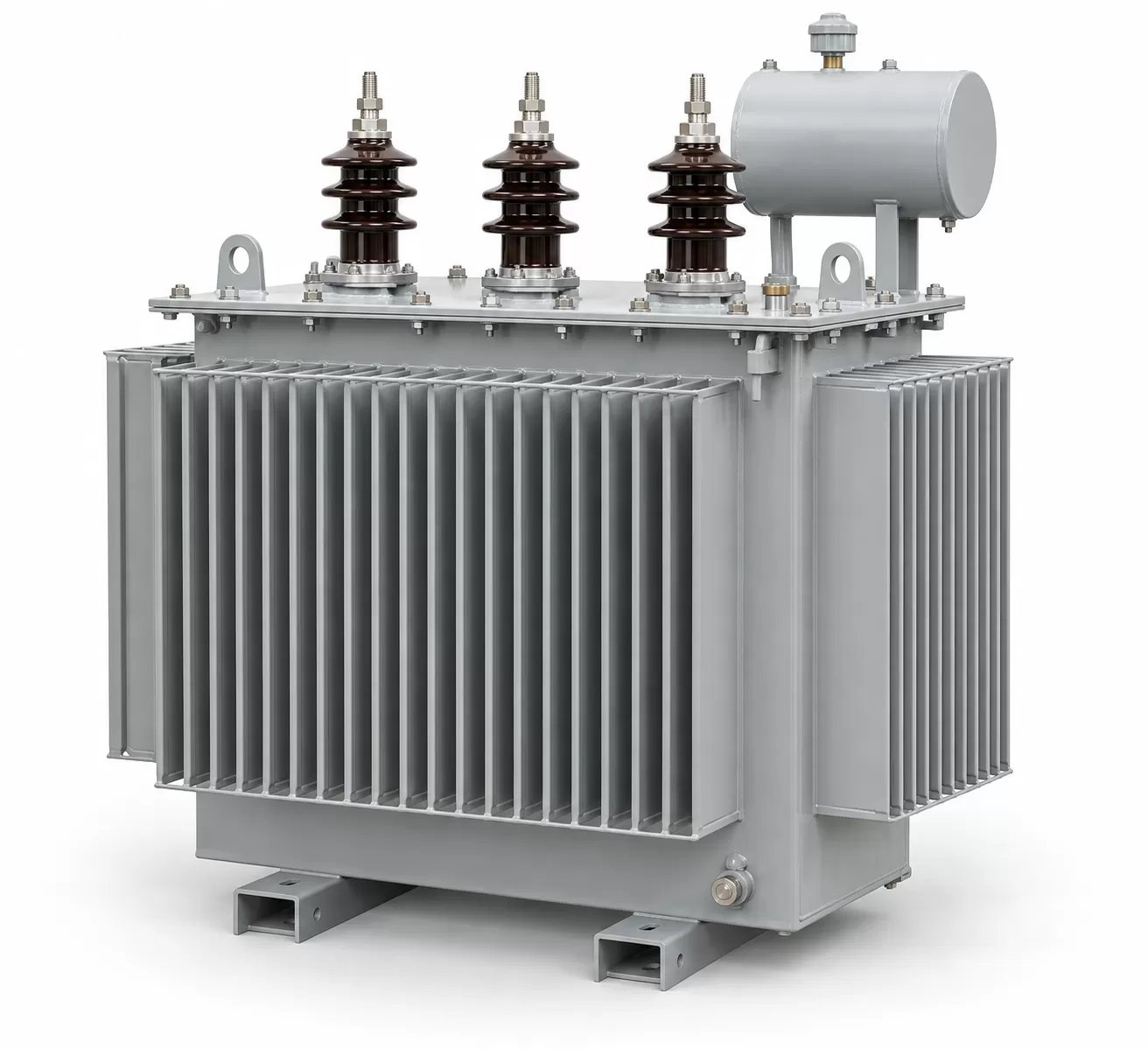
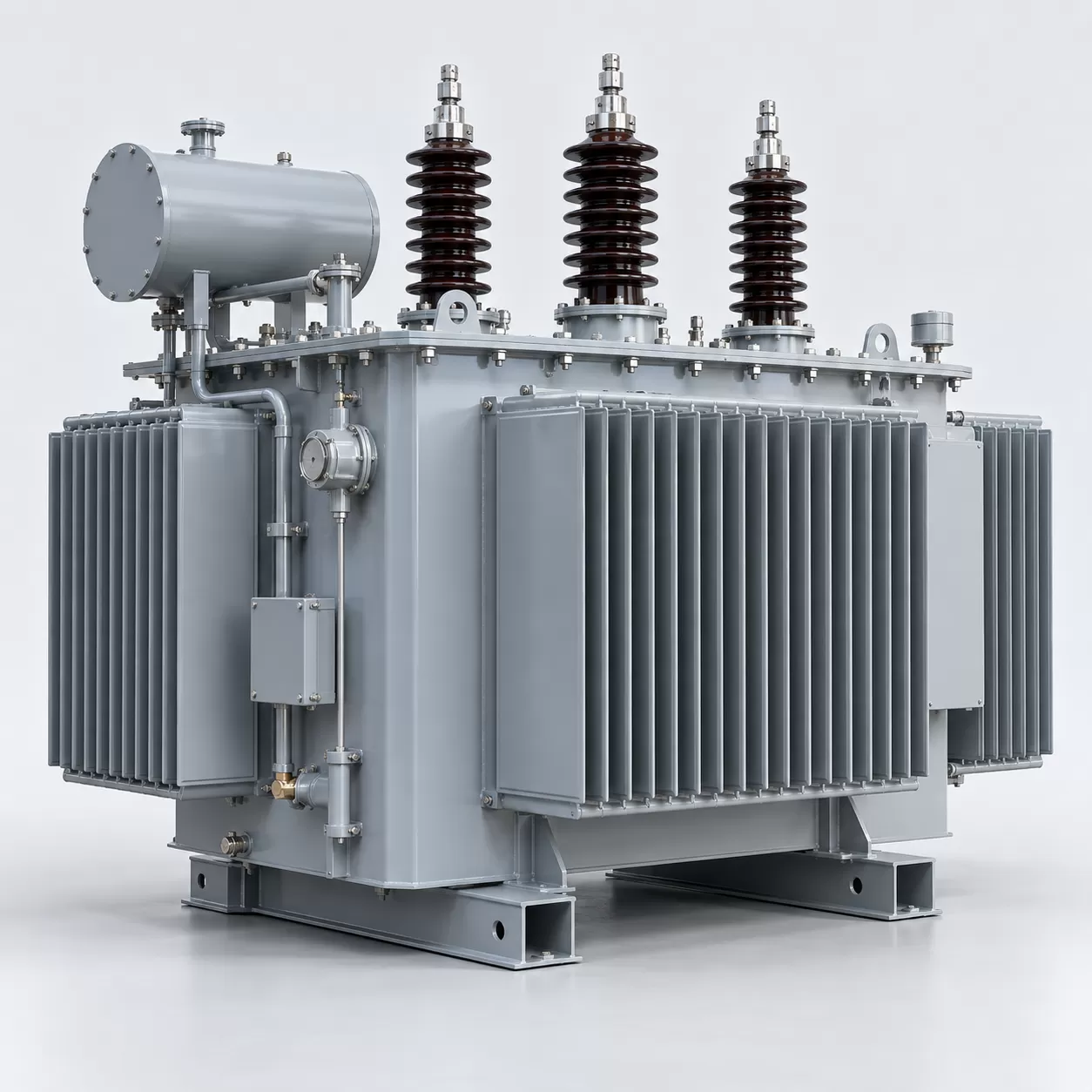
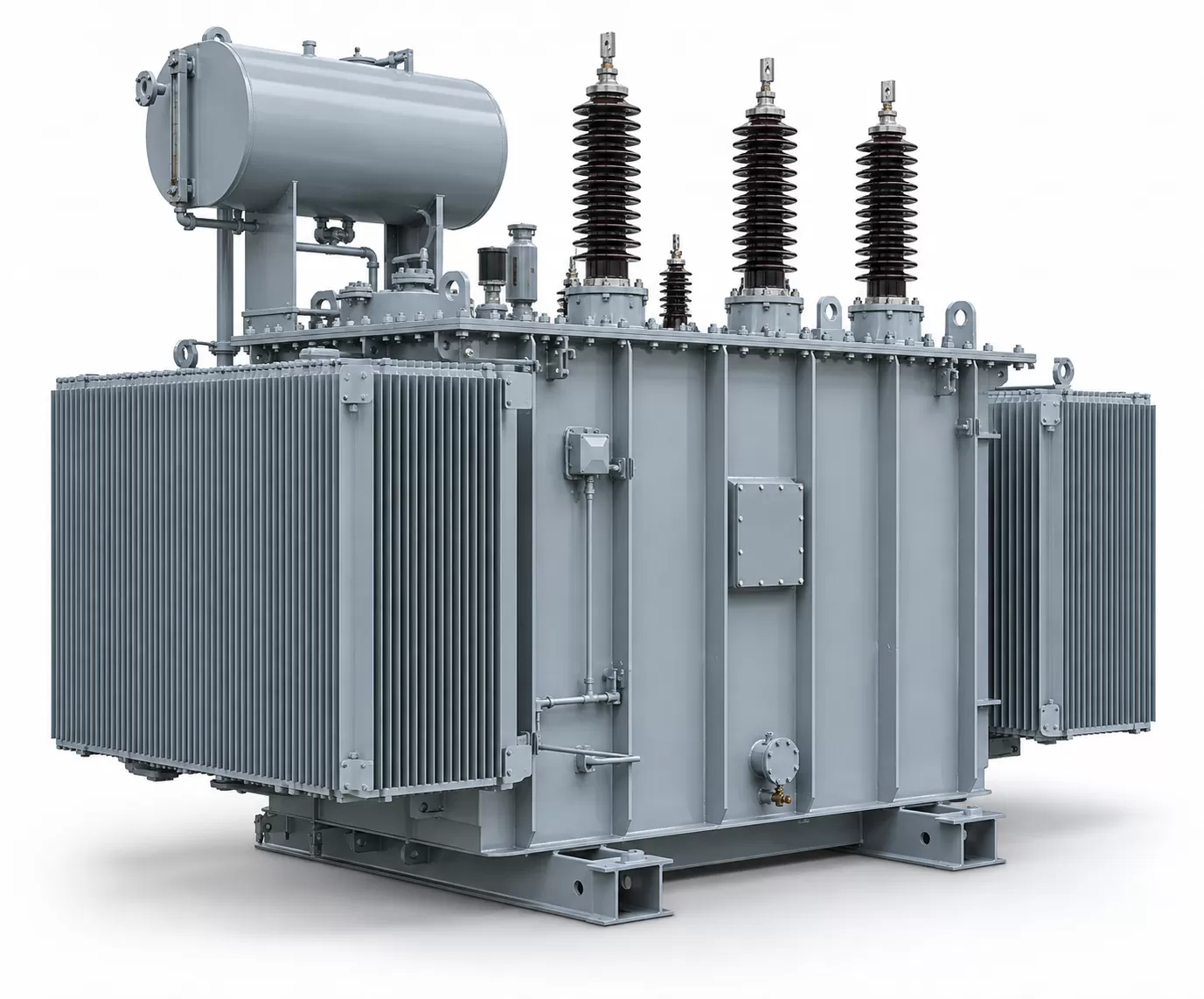
An oil-immersed transformer uses an insulating liquid as part of its insulation and cooling system. A dry-type transformer uses solid insulation and air for cooling, without an insulating liquid in the tank. Both are broad product families with several possible configurations. The label alone does not establish the rating, losses, enclosure, sound level or suitability for a particular location.
Which site conditions should you compare?
Begin with where the equipment will sit. Is the installation indoors or outdoors? What are the space, ventilation and access constraints? What do the project documents say about fire protection, environmental containment, enclosure protection and local approvals? These requirements can narrow the options before a price comparison begins.
For an indoor facility, pay attention to ventilation and the complete installed arrangement. For an outdoor substation, consider weather exposure, access, protection and maintenance. The final decision should follow the applicable design and safety requirements for that site.
What electrical information matters?
- Rated capacity, primary and secondary voltages, frequency and number of phases.
- Expected load profile, overload conditions and any unusual harmonics or duty cycle.
- Impedance, no-load and load loss targets, sound limits and temperature-rise requirements.
- Required accessories, monitoring, testing and applicable project standards.
Ask suppliers to compare complete proposals using the same assumptions. A product family description cannot replace guaranteed electrical data for a specific design.
What should you ask for in the quotation?
Request the proposed ratings, construction, cooling method, loss values, dimensions, weight, installation needs, drawings and test scope. If one option needs additional ventilation, containment or protection, include that in the comparison. Clarify who supplies each item and what the project team must provide.
Explore our oil-immersed transformer and dry-type transformer pages, or send your specification for a project discussion.