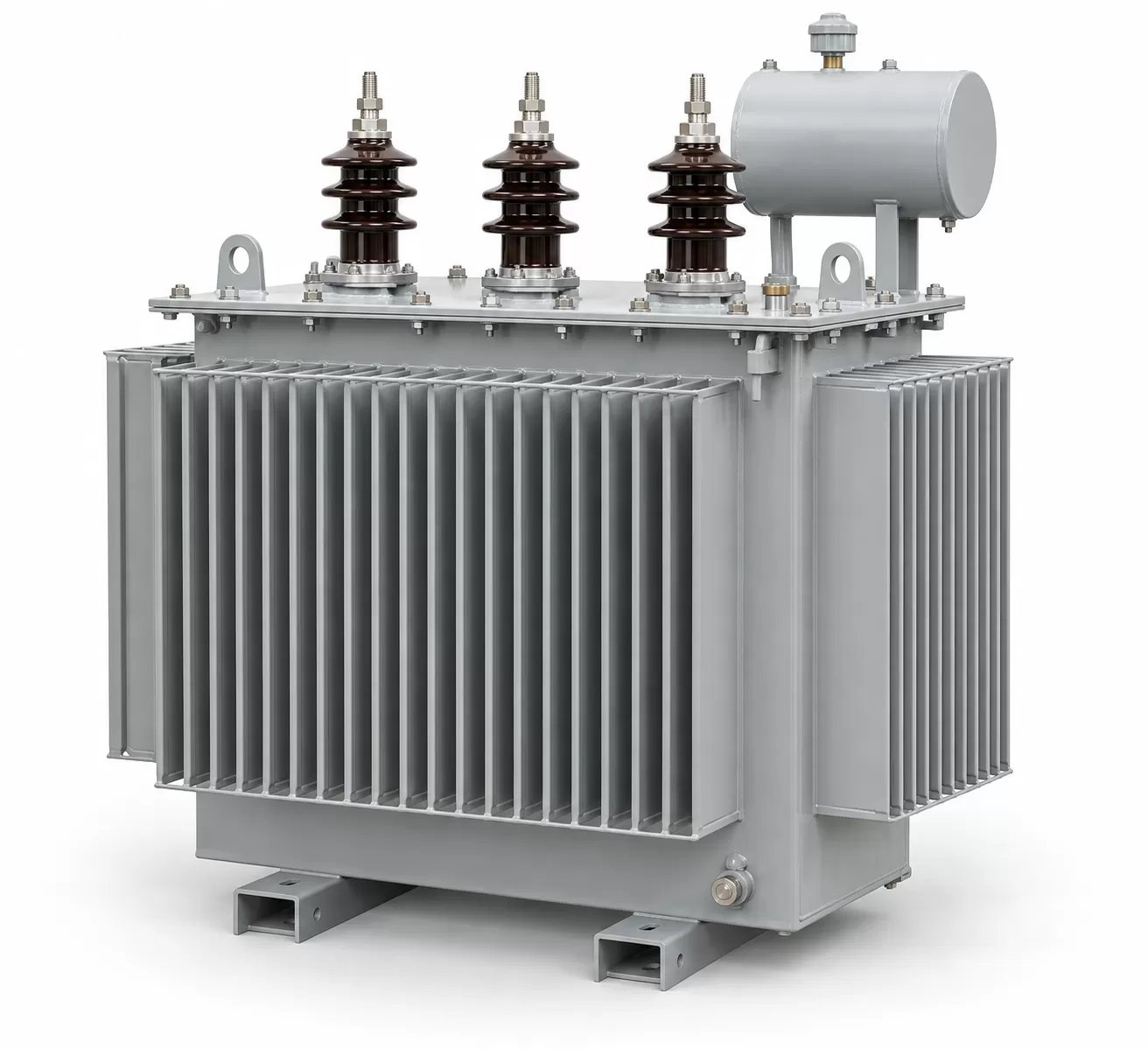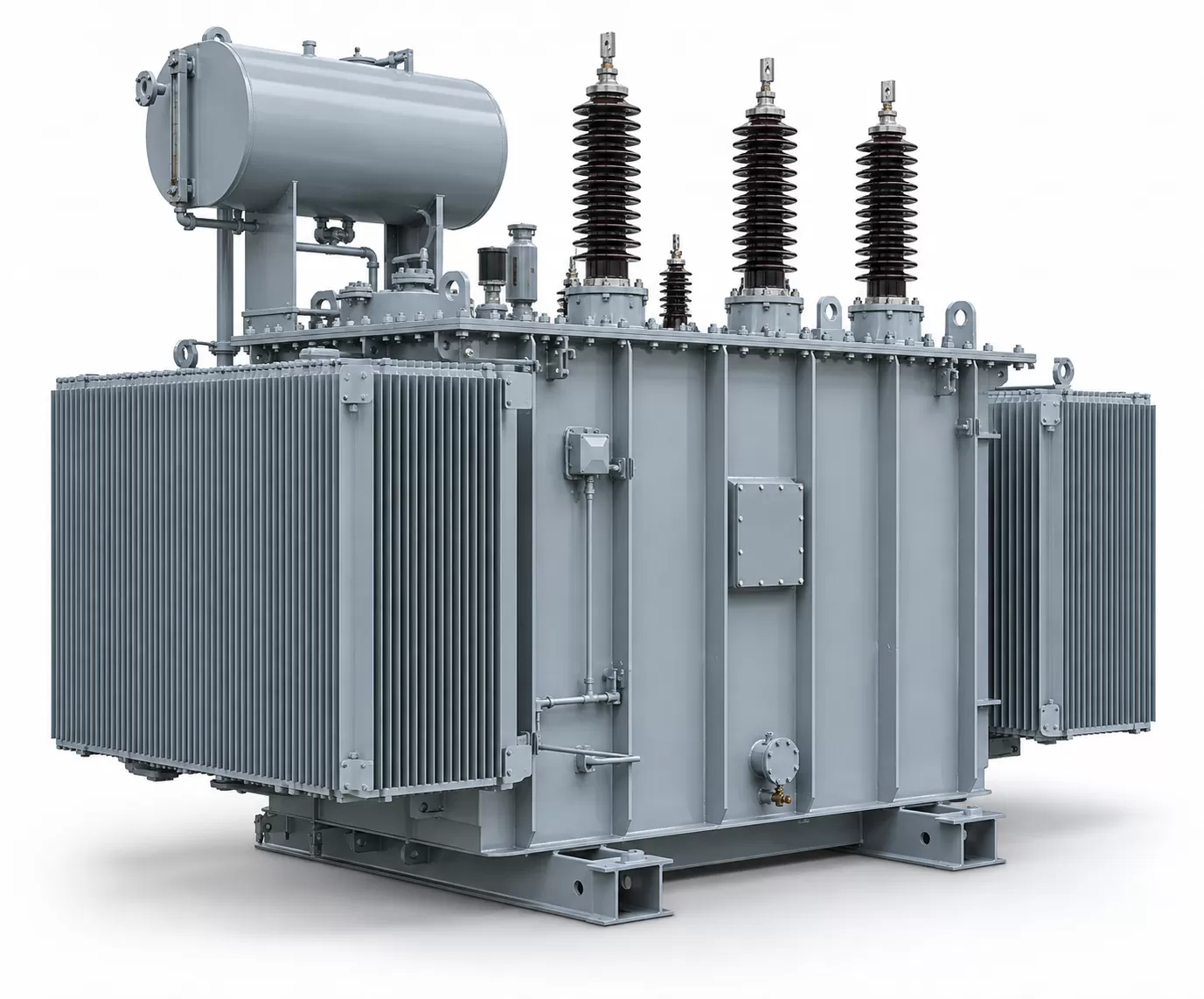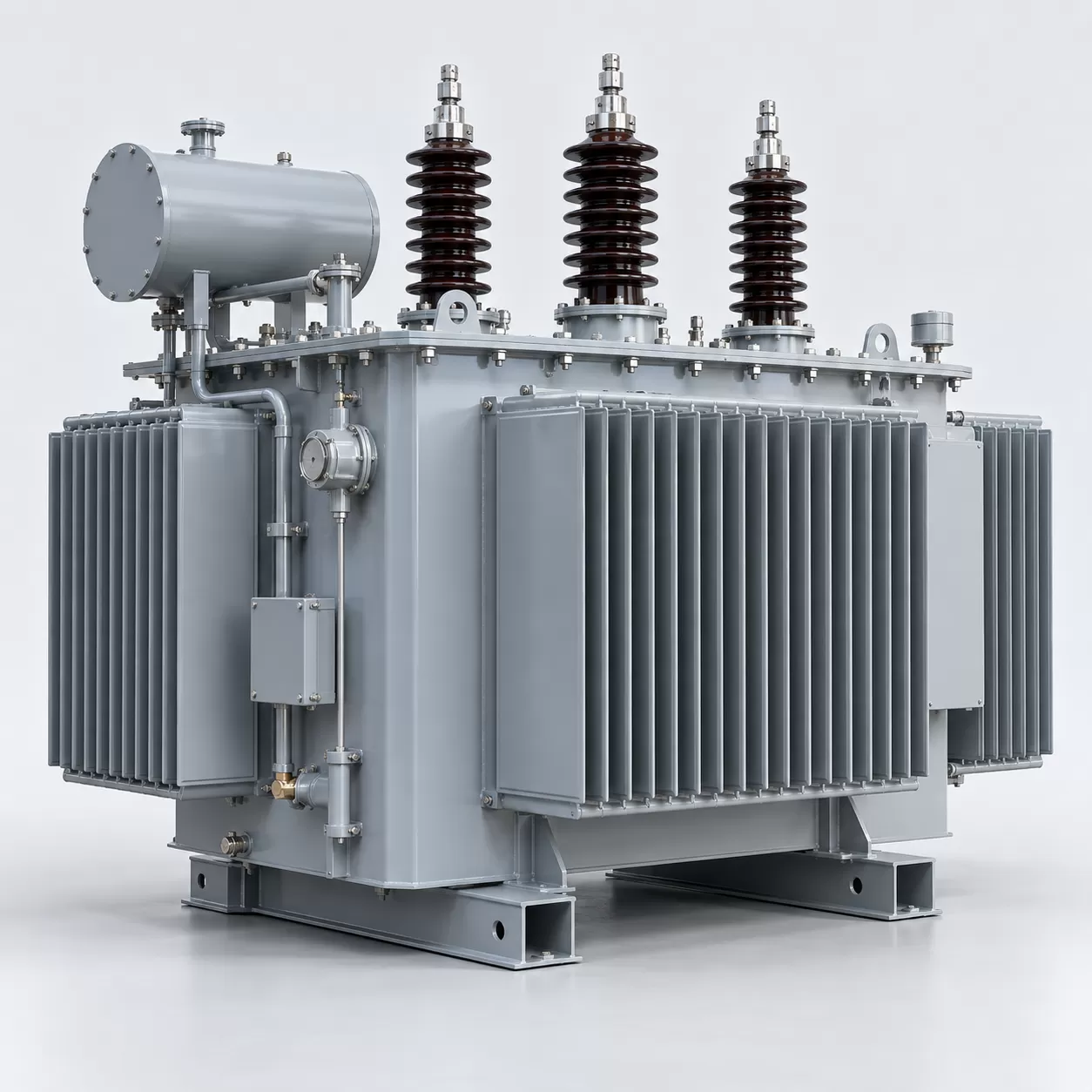
A practical transformer RFQ checklist covering ratings, site conditions, performance targets, documents and delivery scope.
The short answer: a useful transformer request for quotation identifies the electrical duty, the installation site and the scope of supply. A complete specification helps, but a clear partial brief is enough to start a technical conversation.
1. Define the application
Explain where the transformer fits in the system: utility distribution, a factory, a renewable energy connection, a compact substation or another application. State what it connects and whether the load is steady, cyclical or subject to unusual operating conditions. Attach a single-line diagram if one is available.
2. Give the core electrical ratings
- Rated capacity, usually expressed in kVA or MVA.
- Primary and secondary voltage, frequency and number of phases.
- Tap range, vector group and impedance when these are already specified.
- Expected load profile, duty cycle and any harmonic-producing equipment.
If some values are undecided, mark them as open items rather than guessing. The supplier can then identify which decisions affect the design.
3. Describe the installation site
State whether the equipment will be indoors or outdoors. Include ambient conditions, altitude if relevant, available footprint, access limitations and any enclosure, ventilation, protection or environmental requirements. Identify the destination country and project location because site and documentation requirements can vary.
4. Specify performance and documentation needs
Share loss or efficiency targets, sound limits, temperature-rise criteria, monitoring requirements and any mandatory standards or test requirements. Ask for the documents needed for your approval process, such as technical drawings, a data sheet, a loss schedule and test reports. Confirm which items are required at quotation stage and which follow an order.
5. Clarify the commercial scope
Tell the supplier what is included in the requested package. For a box-type or compact substation arrangement, does it include switchgear, protection, metering and auxiliary equipment? Include the required delivery destination, schedule and packing expectations. Commercial terms should be written into the final proposal rather than assumed from a product name.
Use this list as a starting point, then review the transformer buyer’s guide and send your RFQ. If your project is still early, send what you know and list the open questions.