Amorphous Alloy Transformers
Core technology considered for projects with demanding no-load loss targets.
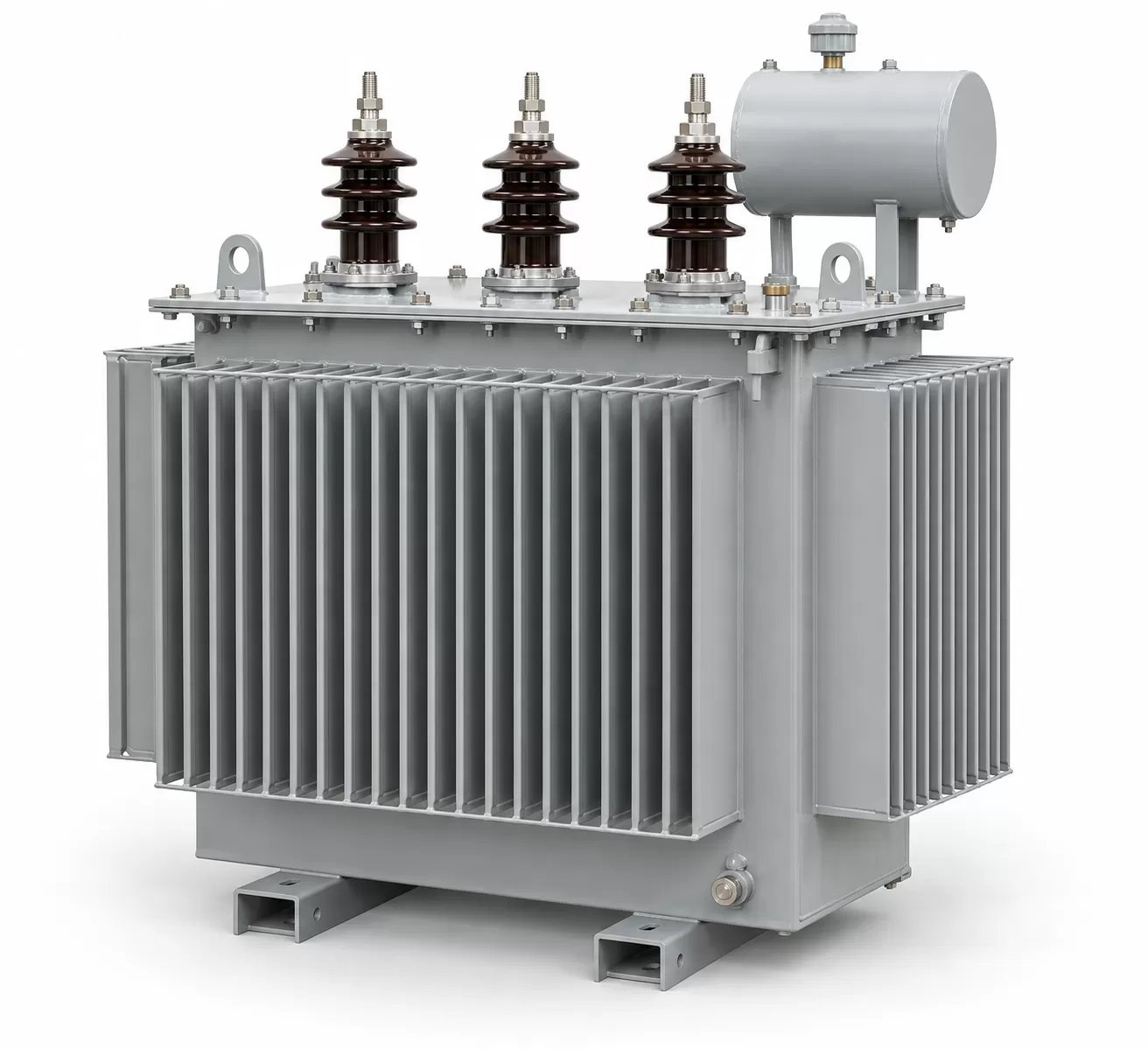 ILLUSTRATIVE PRODUCT IMAGE
Why consider an amorphous alloy core?
An amorphous alloy transformer uses a core material selected for low no-load loss. This can matter in distribution systems where equipment remains energized for long periods, even when the load varies. Actual performance depends on the full design and should be compared using guaranteed loss values.
Evaluate the whole duty
No-load loss is only one part of transformer selection. Rated capacity, load loss, voltage, efficiency objectives, installation environment, sound level and life-cycle operating profile all belong in the comparison.
What to include in an inquiry
- Capacity, voltage ratio, frequency and expected load profile.
- No-load and load loss targets or applicable efficiency standard.
- Cooling, enclosure and environmental requirements.
- Documentation, testing expectations and destination.
Ask for a project-specific loss schedule before comparing options. Request a quotation.
Explore this product family.
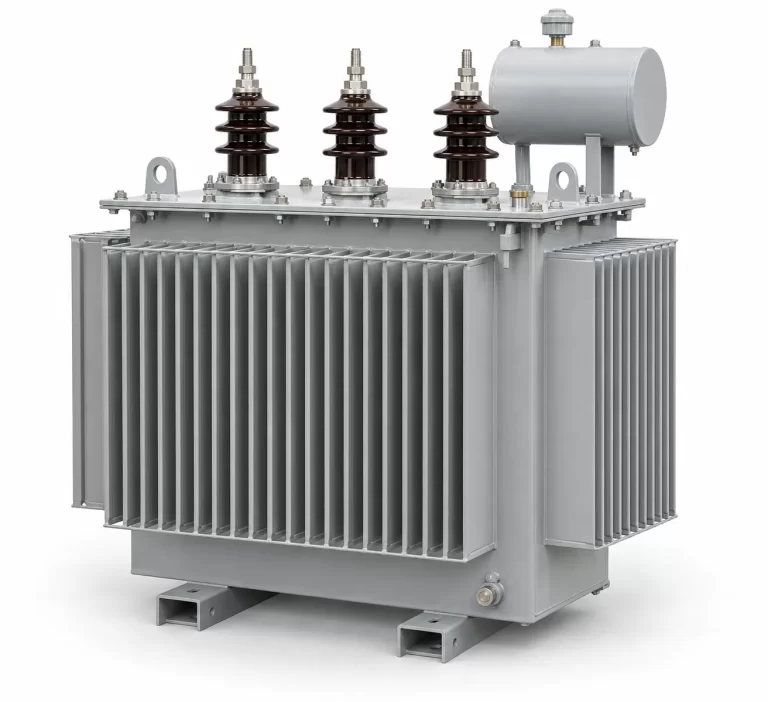
10 kV Amorphous Alloy Oil-Immersed Transformer
Compare a 10 kV amorphous alloy oil-immersed transformer using guaranteed no-load and load losses for the offered design.
View product →Amorphous Alloy Oil-Immersed Transformer
Compare an amorphous alloy oil-immersed transformer for low no-load loss goals using guaranteed project-specific loss and rating data.
View product →20 kV Amorphous Alloy Oil-Immersed Transformer
Assess a 20 kV amorphous alloy oil-immersed transformer for a network with explicit loss and life-cycle cost targets.
View product →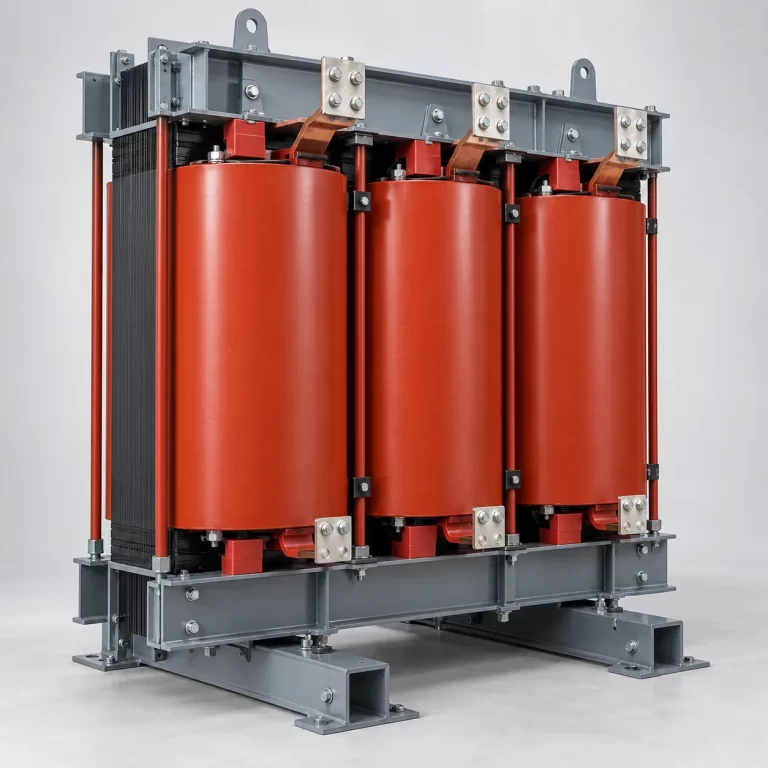
Amorphous Alloy Dry-Type Transformer
Assess an amorphous alloy dry-type transformer for indoor distribution where no-load losses and installation conditions both matter.
View product →11 kV Amorphous Alloy Dry-Type Transformer
Review an 11 kV amorphous alloy dry-type transformer where indoor installation and no-load loss targets both matter.
View product →Bring the essential details together.
Electrical ratings
Capacity, voltage ratio, frequency, impedance and the expected load profile.
Site conditions
Indoor or outdoor use, temperature, altitude, space, enclosure and cooling needs.
Project documents
Applicable standards, drawings, required tests, destination and delivery timing.
Tell us what your system needs.
Send a rating, single-line diagram or specification for review.